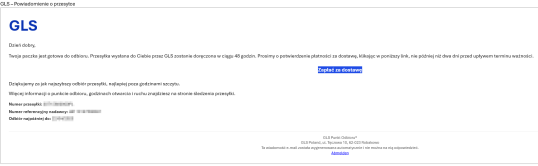
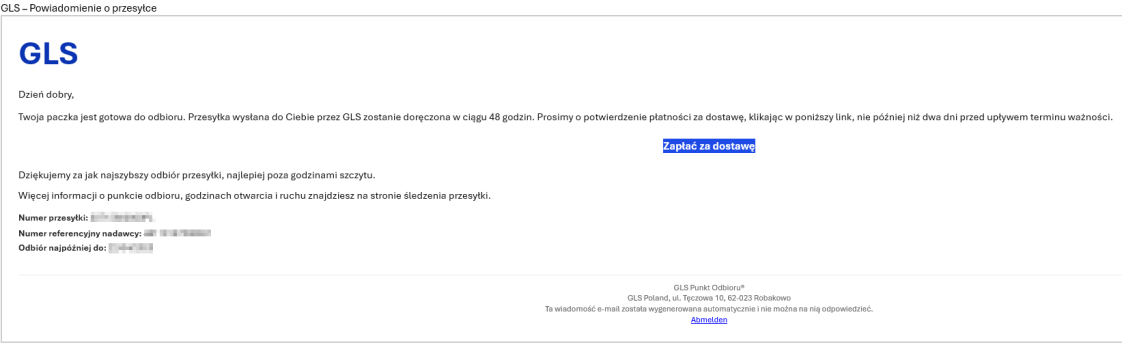
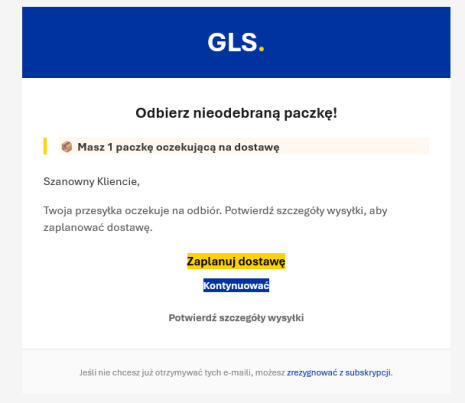
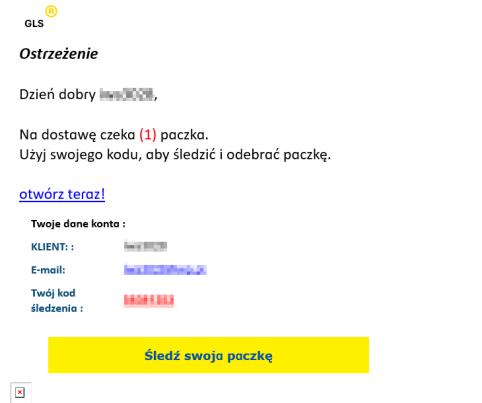
Watch out for possible fraud attempts
especially if:
Carousel with slides shown at a time. Use the Previous and Next buttons to navigate.



Internet scams
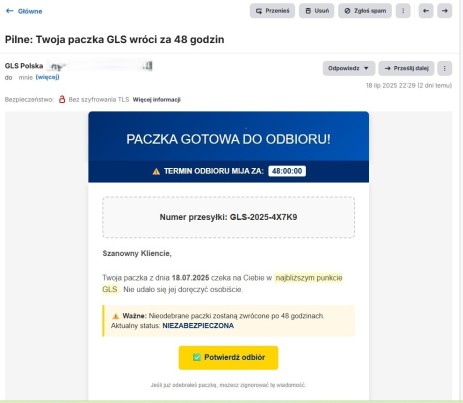
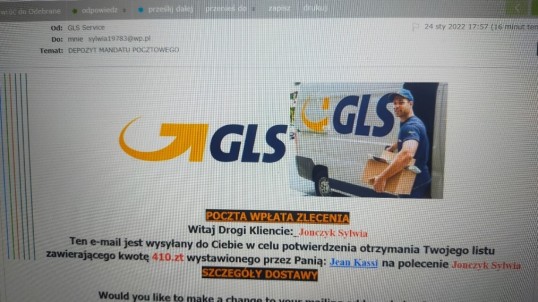
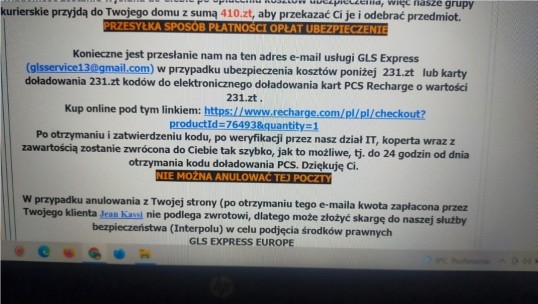
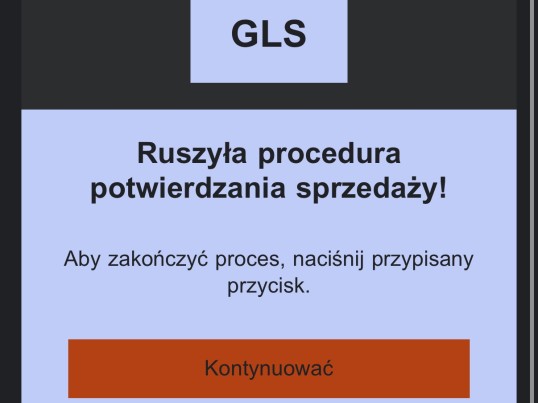
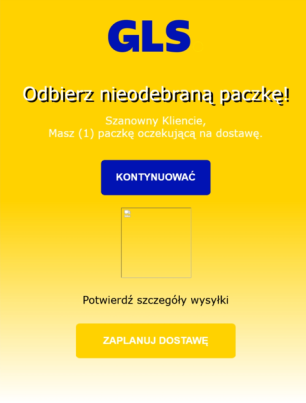
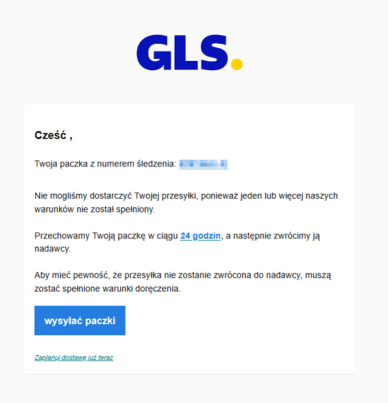
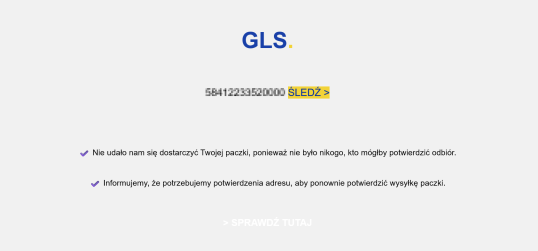
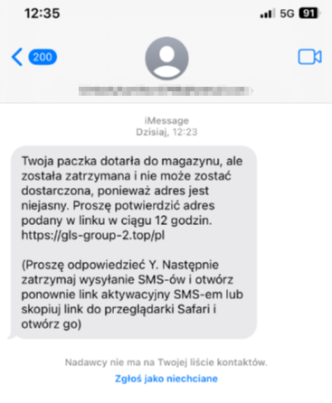
Online parcel shipping scams have become increasingly common recently. Criminals are misusing the names and logos of well-known shipping companies, such as GLS, to commit fraud or gain access to sensitive information.
If you are unsure whether the message you have received is genuine, you can contact us to verify the message and receive further guidance. Remember – if you contact us about a suspected scam, never use the contact details provided in the suspicious message or reply to that message.
Recently, we have noticed fake job offers for drivers appearing on the Internet, signed with the name GLS Poland, in which potential candidates are required to send scans of identity documents, i.e. driver's license or ID card, to the supposed employer.
These offers are false and designed to gain access to your personal information. GLS has never required and does not require any scans of such documents to be sent for recruitment purposes.
Moreover, couriers providing services to GLS are employed by transport companies (subcontractors) - GLS does not recruit for driver positions. Therefore, we strongly warn against responding to such advertisements and providing any private data to alleged employees.
Those ordering goods online and using fake IDs and illegally obtained credit cards in the process have recently been increasingly offering jobs for so-called "parcel agents." The job - usually part-time - involves accepting shipments and redirecting them to another address, often abroad.
The goal is to conceal the destination of fraudulently acquired goods. Police warn against accepting offers to work as a "parcel agent." This supposedly lucrative occupation means engaging in fraud and money laundering, resulting in legal and financial consequences.
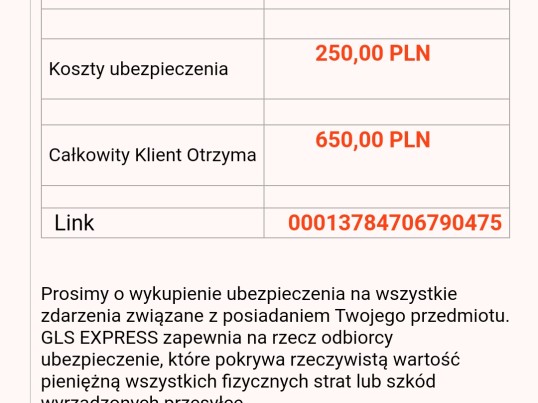
Recipients of such e-mails should inform GLS immediately and under no circumstances pay the requested amounts. GLS never sends e-mails requesting payment for goods via online payment systems, credit card or bank transfer.
Cash on delivery (with CashService or ExWorksService) shipments are delivered by couriers and paid by cash or BLIK payments.
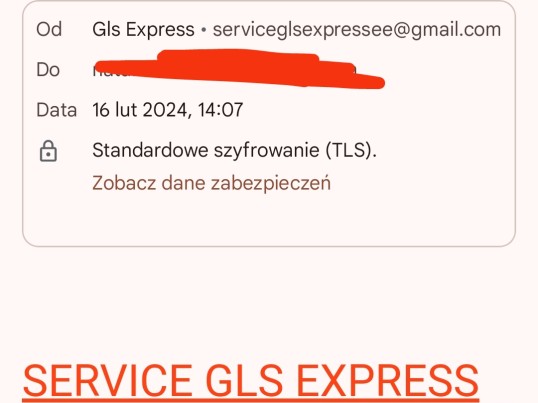
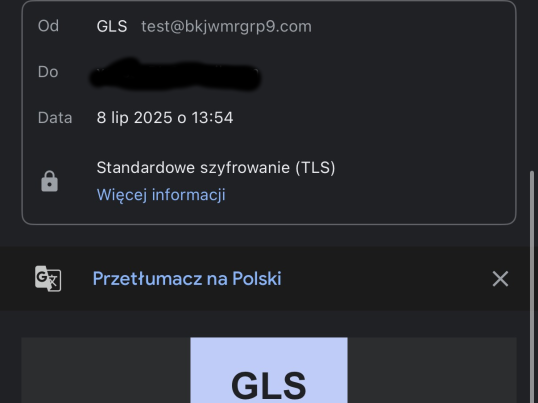
You should also note that genuine messages or invoices from GLS are never sent from free email service addresses, such as emails ending in gmail.com or Outlook.com.
Some messages may even contain valid personal information, such as a postal address or phone number, usually obtained from previous data leaks not related in any way to GLS.
If you are unsure whether a message you have received is authentic, you can contact us to verify the message and receive further guidance. Remember - if you are contacting us about a suspected scam, never use the contact information provided in the suspicious message or respond to the message.
You can find detailed instructions for reporting suspicious messages in the Knowledge Base on the intranet.
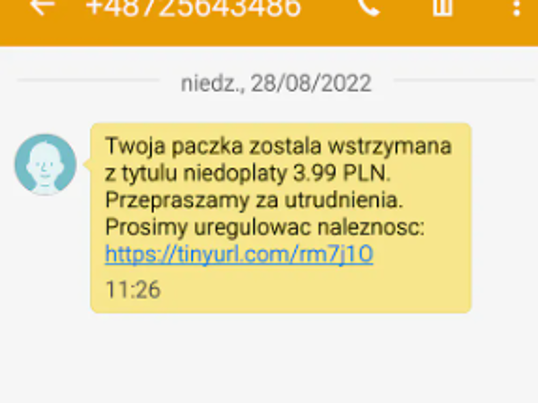
You can also report suspicious, link-containing text messages to analysts of NASK's CSIRT (National Level Computer Security Incident Response Team):
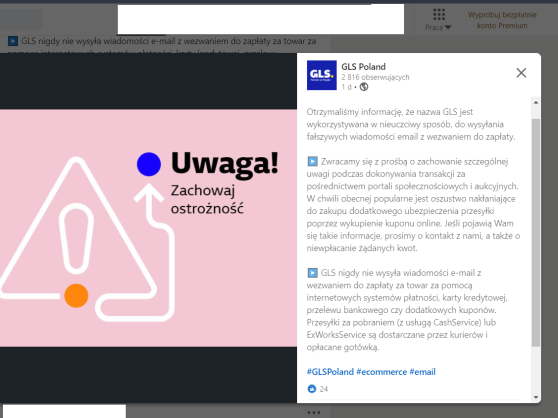
Please note that GLS is not responsible for any loss or damage you may suffer as a result of misuse of the GLS name by criminal third parties. Internet criminals are constantly coming up with new types of fraud attempts - it's worth following the current warnings we publish on our website (tab: warnings) and on our social media profiles.